Grief is permeating our politics and personal relationships
How we tend to that grief shapes our political choices. What if all of us, and especially men, had more grief literacy?
In the blurry space between theater, Grief TED Talk, deep canvass, and house party, Leaving the Party guides the audience through rough waters with care and humor.

About the Show
Leaving the Party is a one-person immersive and participatory performance that blends storytelling, Dads, folding laundry, John Wayne, karaoke, Charles Darwin, and dark humor to explore death, dying, dementia, democracy, grief, and masculinity.
-
Grief permeates our political choices and our personal relationships.
ashley’s dad died. All dads will die. Dads are complicated. What shapes our political beliefs is complicated. Dads + politics + working class white guy stuff = something messy and bittersweet that reminds us that the personal and political are inseparable.
-
When witnessed and supported, navigating change and loss can spur deep personal growth. That’s not what we’re seeing in our culture.
White men accounted for 68% of suicides in 2023. 47% of Americans think there is a likelihood of another civil war in their lifetime. We are in an estrangement and loneliness epidemic. White men’s collective grief is felt in our communities even while rarely acknowledged as grief. How does that untended collective grief shape the health of our democracy? Queer, immigrant, Black, trans, and female bodies can tell you the costs incurred when that grief goes unexamined.
What if all of us, and men in particular, had more grief literacy?
As a white queer person who accompanied a Southern-Construction-Worker-Vietnam-Veteran- Fox-News-Watching father on his dementia induced dying journey, ashley is profoundly aware of the complex inheritances.
-
Yes. Leaving the Party includes civic dialogue and a house party — it’s an organizing tool with John Wayne and Charles Darwin cameos and at least one dirty joke.
It pairs the intimacy of a living room with the intentionality of deep canvassing, designed to move audiences through grief and toward action. By the end, some write letters to their senators. Some fill out their Advanced Care Directives. Some call someone they've been estranged from. The strategy is about organizing one room at a time, in a deep way that can only happen relationally. Grief is the door. Political change is what's on the other side.
-
These are a few of the questions discussed while folding laundry or enjoying a snack or getting a foot massage:
How are we experiencing men collectively grieving?
Who did your dad admire, and how did that inform his parenting style and politics?
Is it possible for culture to have dementia?
-
ashley tells stories and asks the audience questions. We all fold laundry. Eat cake. Share stories with each other on the themes of death, dying, grief, race, politics, dementia, and loss. We all learn some grief vocab words.
-
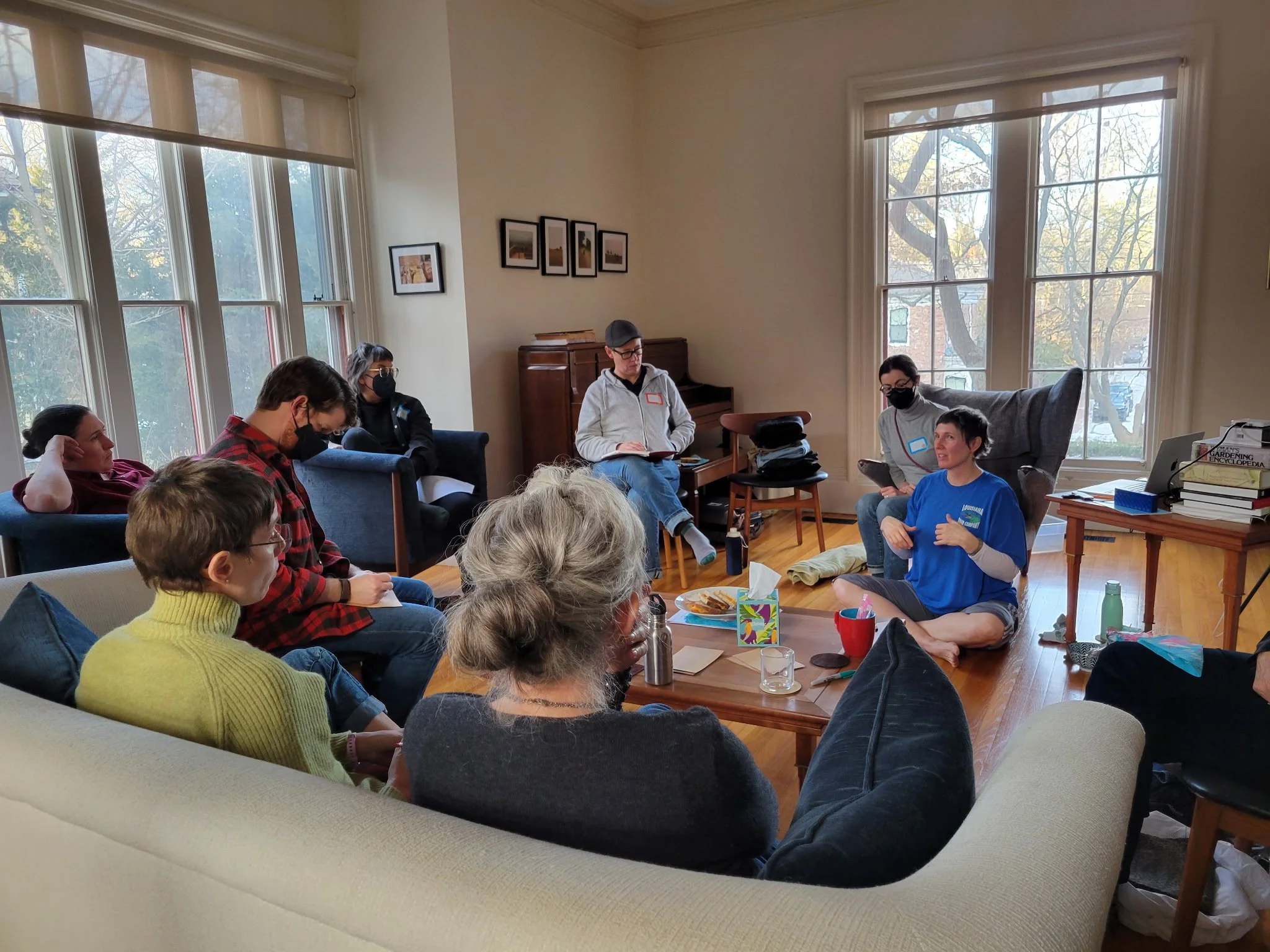
Leaving the Party is designed to travel to intimate audiences of 15–50 in living rooms, church fellowship halls, and flex-use theaters.
The show goes where the conversation lives: in people's homes, in community spaces, in the rooms where the next election will actually be decided.
-
Participation is always on your terms.
Through consensual participation, the audience helps ashley sort through piles of pants while trying to make sense of how men's grief impacts their political choices. Folks who want to participate will put on a name tag. Folks who don’t wear a name tag can simply watch. It’s pretty simple and you can always change your mind. (Take the name tag off, put one on.) Zero pressure to participate.
-
The party has already started.
The show is still in its work-in-process stage, but since 2025 it has been in residence at Catapult (New Orleans), Lil' Pond (Bath, PA), Farm Arts (Damascus, PA), Highlander Center (New Market, TN), and Saint Mark's Cathedral (Minneapolis, MN), and been performed in living rooms hosted by individuals in Virginia, California, New York, Louisiana, Minnesota, Massachusetts, and New York City.
A note about accountability: Talking about politics, white grief, cultural whiteness, and masculinity is complicated and can raise eyebrows for some. Especially when the rooms are predominantly white men. A multi-racial accountability team has been pulled together and will have ongoing conversations with ashley about the complexities and implications of this project.
Interested in hosting?
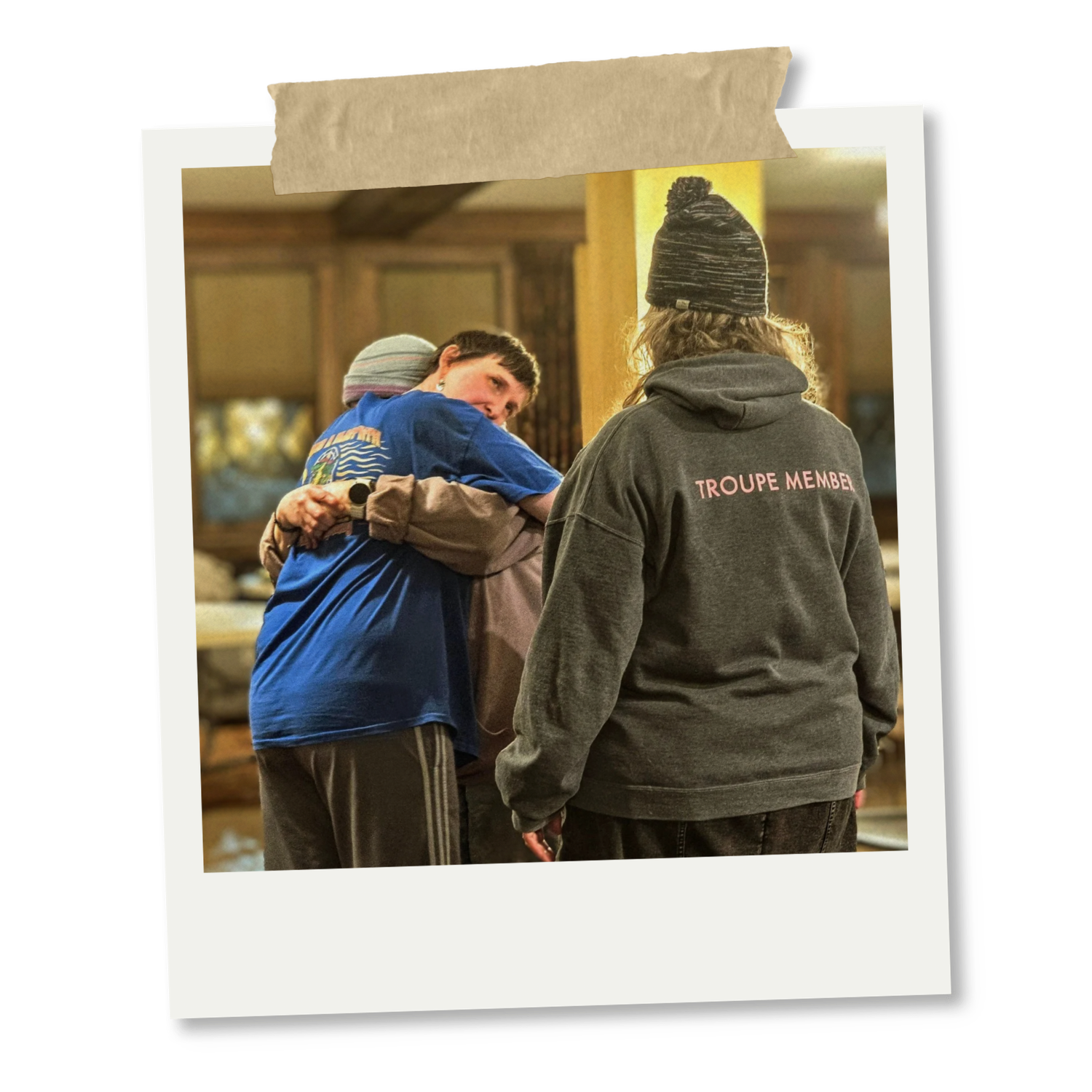
Leaving the Party is designed to be shared in living rooms, church fellowship halls, and theaters, in partnership with local hosts (individuals or organizations).
sparks is accepting inquiries for communities interested in hosting a work-in-process sharing.
Interested in hosting, fill out the form below, or email info@leavingtheparty.org if you have specific questions.

About the Instigator
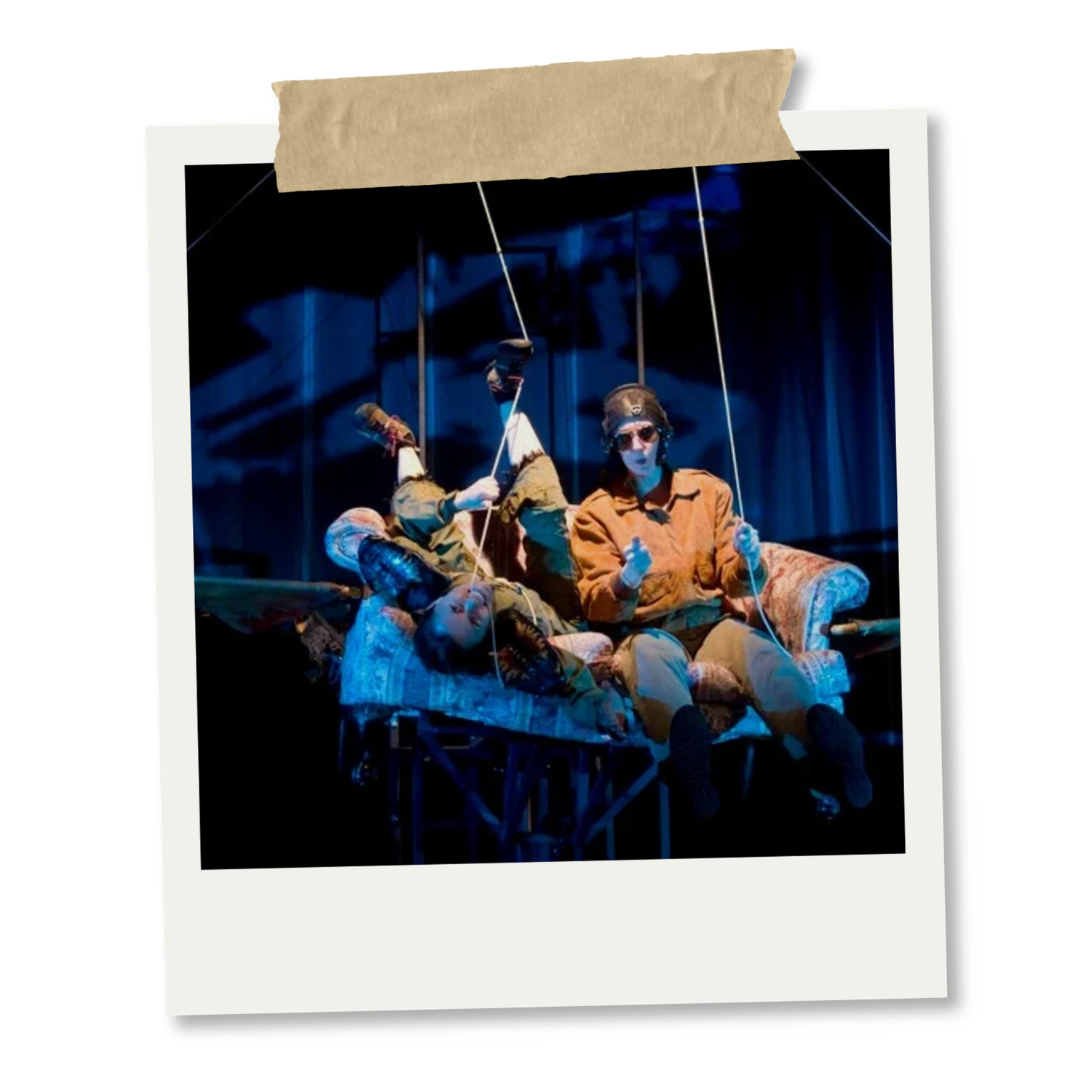
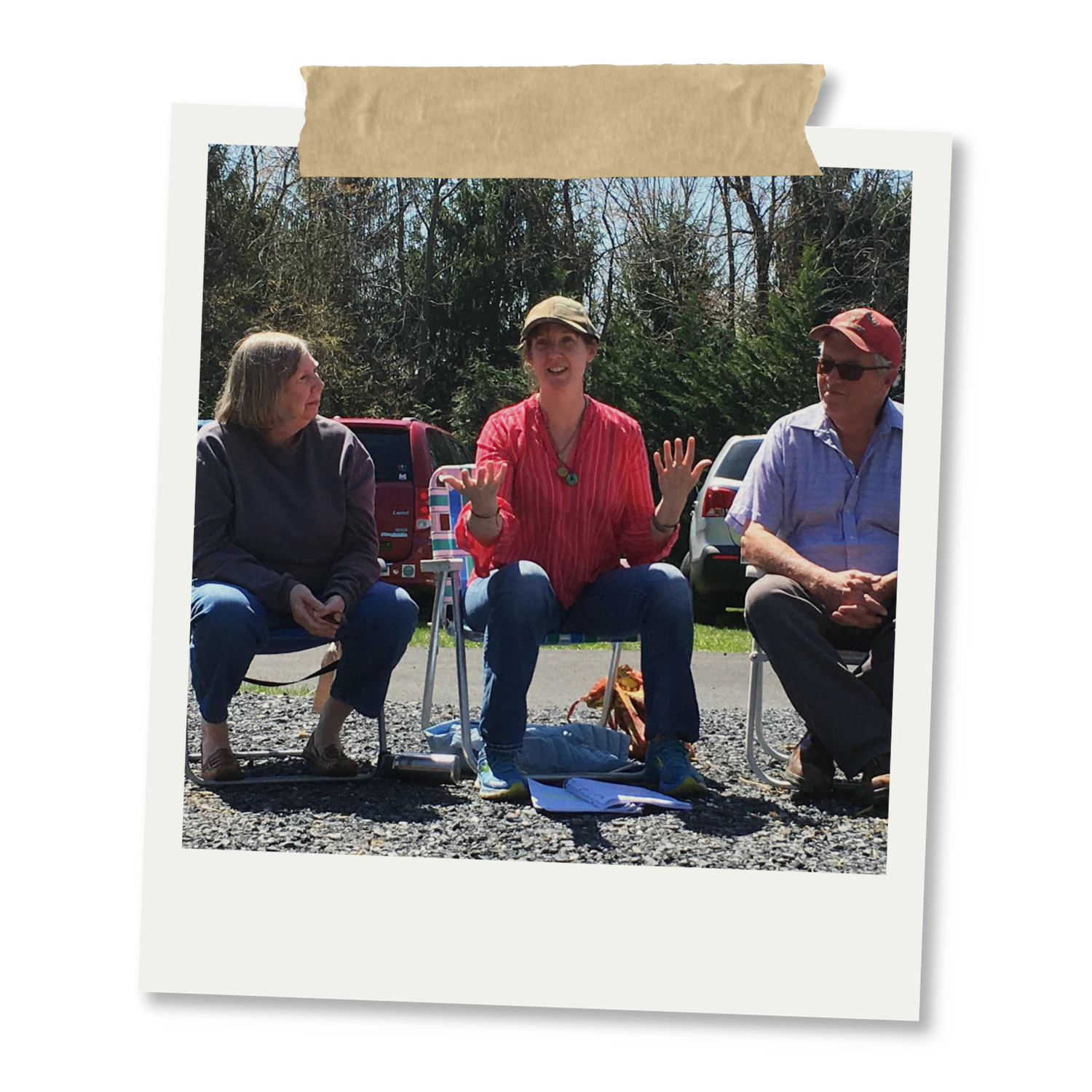
ashley sparks is an itinerant theater maker, art-based facilitator, and certified grief educator. sparks has been making original site-specific plays and participatory events since high school. The work rehearses the creation of new worlds and builds collective capacity for engaging in democracy.
As a cultural organizer sparks has worked with Alternate ROOTS, Highlander Research and Education Center, and Showing Up for Racial Justice. As a theatre practitioner, sparks has worked nationally with companies such as Cornerstone Theater Company in Los Angeles, ArtSpot Productions in New Orleans, and PearlDamour.
sparks comes from a cultural organizing lineage that merges theater and kitchen table organizing, a lineage extending from The Free Southern Theater to Augusto Boal and others.
Good Old Boys: A Play for Parking Lots was named the “Best play at the 7-11 in 2018,” according to sparks’ dad and some other old men.
The Strategy Team
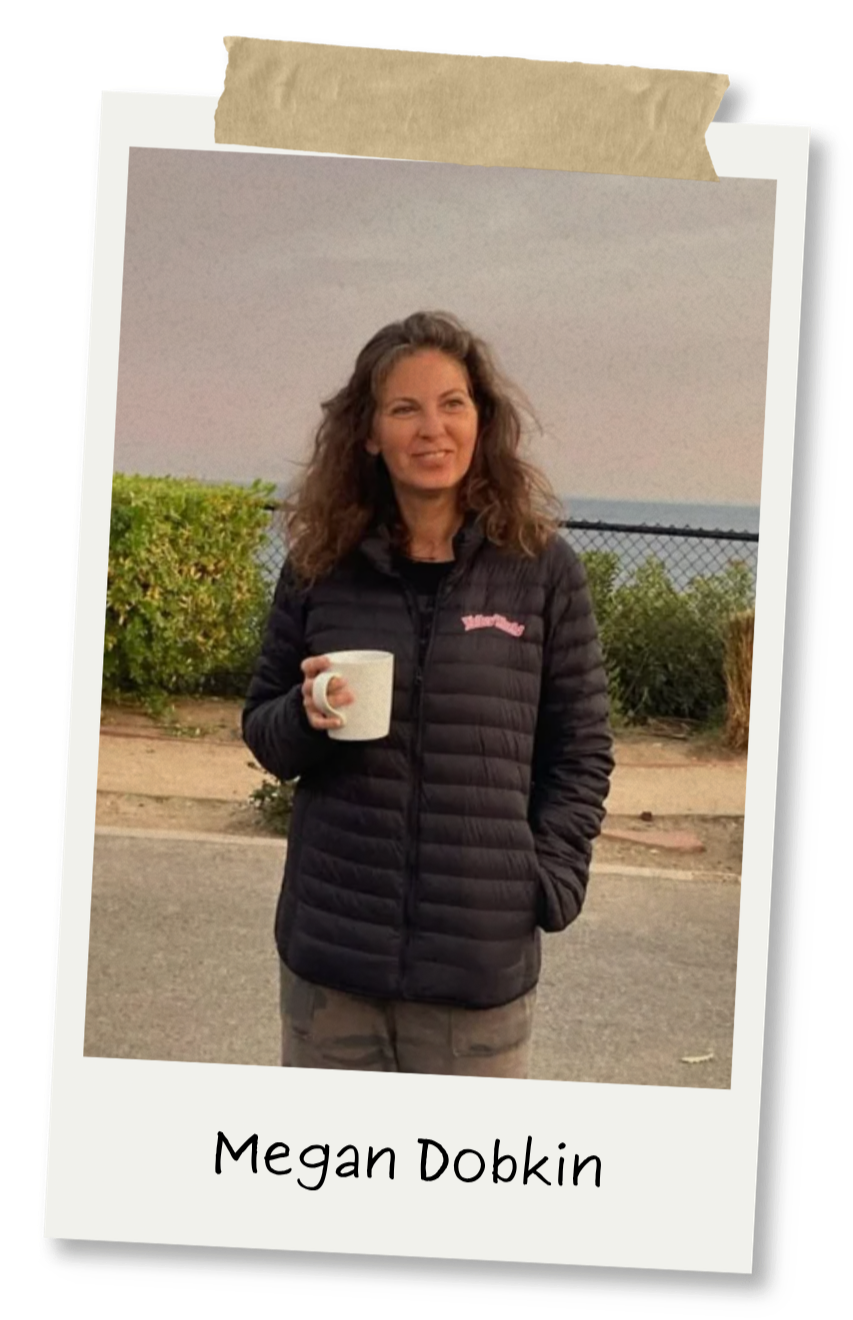
Megan Dobkin is a seasoned film and TV producer active in anti-racist organizing in Los Angeles.
ashley is joined by a team rooted in cultural organizing, grassroots movement building, and film production.
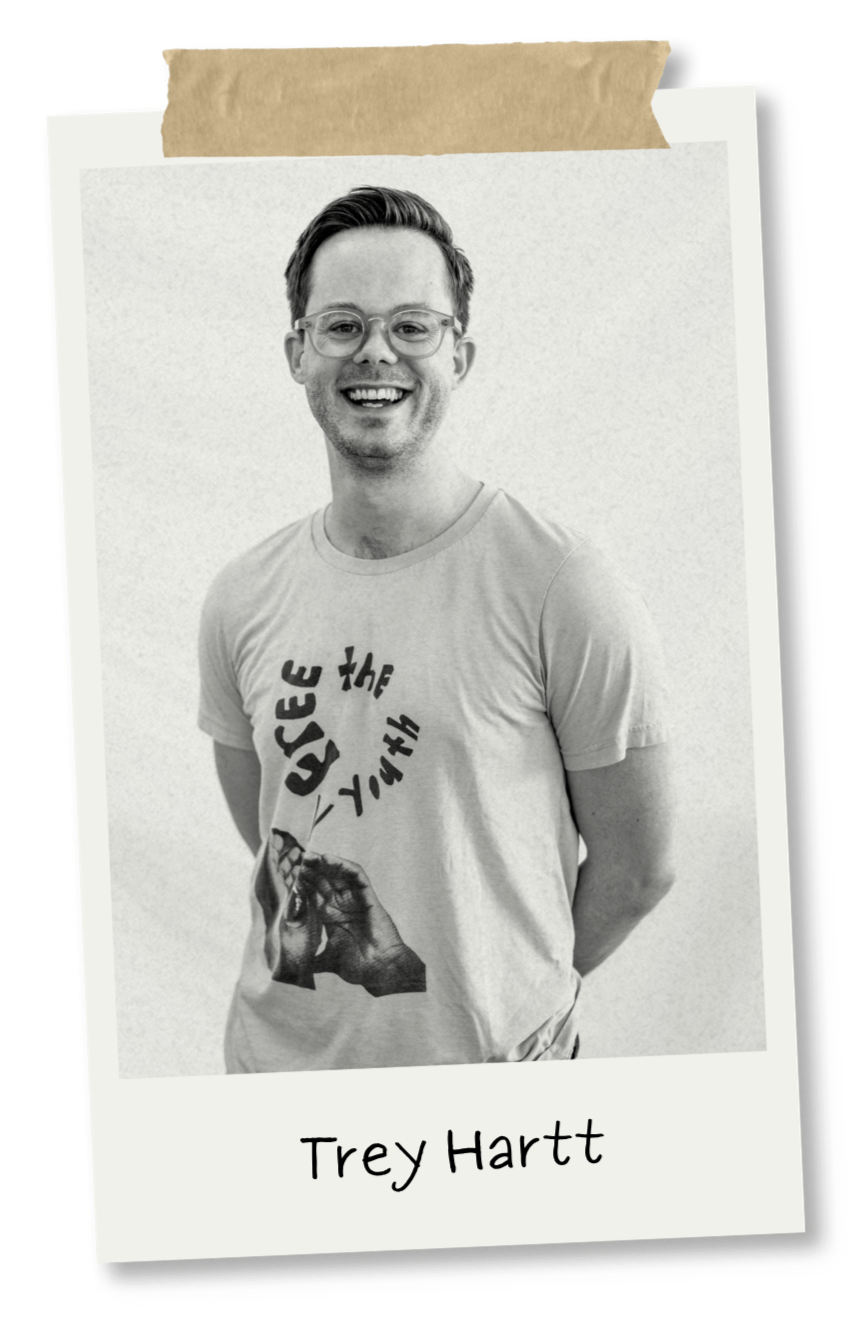
Trey Hartt brings twenty years of cultural organizing experience and a decade of work to end youth incarceration.
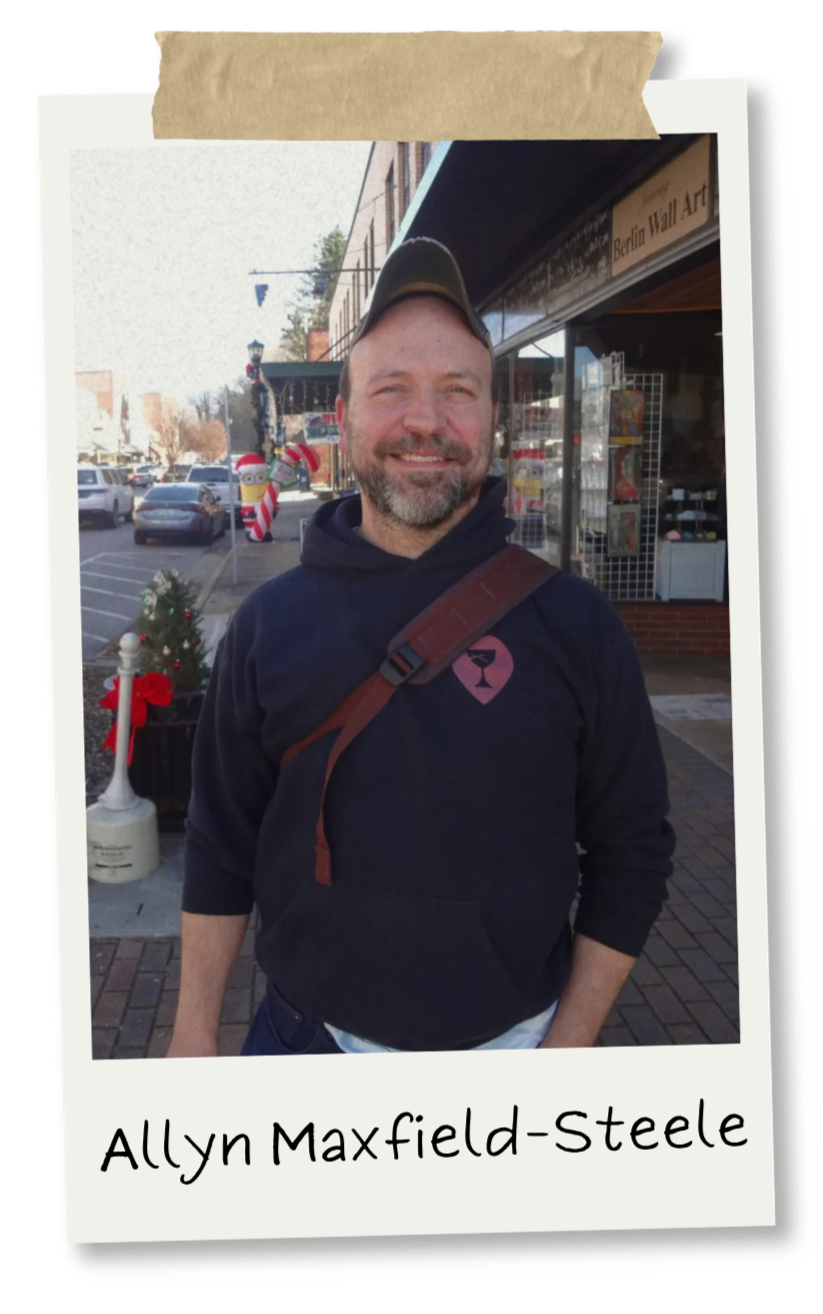
Allyn Maxfield-Steele is a minister and movement builder working at the intersection of radical pastoral care and dismantling toxic white masculinity.